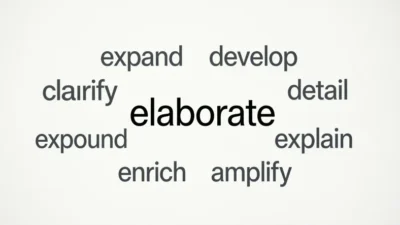

Learning 3rd grade synonyms is a simple way for children to make their vocabulary stronger and their writing more interesting.
A synonym is a word that has the same or nearly the same meaning as another word.
For example, instead of saying “happy” again and again, a student can use “glad,” “cheerful,” or “joyful.”
These words have similar meanings, but they can make a sentence sound different and more interesting.
Synonyms are useful for third-grade students, ESL learners, young writers, and anyone who wants to build basic English vocabulary.
Learning them can also help students understand stories, answer vocabulary questions, and write better sentences.
What Are 3rd Grade Synonyms?
Simple meaning
3rd grade synonyms are words with the same or similar meanings that are easy enough for students around the third-grade level to learn and use.
For example:
- Big → large
- Small → little
- Happy → glad
- Fast → quick
- Smart → clever
The words may not always mean exactly the same thing, but they are close enough to be used in similar situations.
Why are synonyms important?
Synonyms help students:
- Learn new vocabulary
- Avoid repeating the same word
- Understand what they read
- Make sentences more interesting
- Improve school assignments
- Express ideas more clearly
- Become better writers
30 Easy 3rd Grade Synonyms
The following list contains 30 common words and simple synonyms that are suitable for young learners.
1. Happy — Glad
Meaning: Both words describe feeling good or pleased.
Example sentence:
“I was happy to see my friend.”
Best usage: Use glad when you want another simple word for happy.
2. Big — Large
Meaning: Something that has a lot of size or space.
Example sentence:
“We saw a large elephant at the zoo.”
Best usage: Use large instead of big when describing size.
3. Small — Little
Meaning: Something that is not big.
Example sentence:
“The little puppy slept on the rug.”
Best usage: Use little for people, animals, objects, or amounts.
4. Fast — Quick
Meaning: Moving or happening at a high speed.
Example sentence:
“The rabbit was very quick.”
Best usage: Use quick when describing fast movement or an action that happens soon.
5. Smart — Clever
Meaning: Someone who learns, thinks, or solves problems well.
Example sentence:
“Lina is a clever student.”
Best usage: Use clever when praising someone’s ability to think or solve problems.
6. Sad — Unhappy
Meaning: Feeling bad, upset, or without happiness.
Example sentence:
“The boy felt unhappy after losing his toy.”
Best usage: Use unhappy as a simple alternative to sad.
7. Angry — Mad
Meaning: Feeling upset or very annoyed.
Example sentence:
“Dad was mad when he saw the broken window.”
Best usage: Mad is common in everyday American English. Angry is also very common.
8. Easy — Simple
Meaning: Something that does not require much effort or difficulty.
Example sentence:
“The math problem was simple.”
Best usage: Use simple when something is easy to understand or do.
9. Hard — Difficult
Meaning: Something that takes a lot of effort to do or understand.
Example sentence:
“The test was difficult.”
Best usage: Use difficult in schoolwork and more formal writing.
10. Begin — Start
Meaning: To do something at the beginning.
Example sentence:
“Class will start at nine o’clock.”
Best usage: Start is very common in everyday English.
11. End — Finish
Meaning: To stop or complete something.
Example sentence:
“I need to finish my homework.”
Best usage: Use finish when something has been completed.
12. Pretty — Beautiful
Meaning: Pleasant or attractive to look at.
Example sentence:
“The garden is beautiful.”
Best usage: Use beautiful when describing someone or something that looks very nice.
13. Funny — Amusing
Meaning: Something that makes you laugh or smile.
Example sentence:
“The funny story made everyone laugh.”
Best usage: Funny is the easiest everyday choice. Amusing is a slightly more advanced word.
14. Quiet — Silent
Meaning: Making little or no sound.
Example sentence:
“The library was silent.”
Best usage: Use silent when there is no sound at all or almost no sound.
15. Loud — Noisy
Meaning: Making a lot of sound.
Example sentence:
“The classroom became noisy during recess.”
Best usage: Use noisy when there are many loud or unwanted sounds.
16. Kind — Caring
Meaning: Being nice and showing concern for others.
Example sentence:
“My teacher is caring and helpful.”
Best usage: Use caring when you want to emphasize concern for another person.
17. Brave — Courageous
Meaning: Not being afraid to face something difficult or dangerous.
Example sentence:
“The courageous firefighter helped the family.”
Best usage: Use courageous in stories and writing when describing someone who shows bravery.
18. Tired — Sleepy
Meaning: Needing rest or sleep.
Example sentence:
“I felt sleepy after a long day.”
Best usage: Use sleepy when someone especially needs sleep.
19. Cold — Chilly
Meaning: Having a low temperature.
Example sentence:
“It was chilly outside, so I wore a jacket.”
Best usage: Use chilly for weather or places that feel a little cold.
20. Hot — Warm
Meaning: Having a high temperature.
Example sentence:
“The soup is warm.”
Best usage: Warm usually describes something comfortably or mildly hot, so it is not always an exact synonym for hot.
21. Help — Assist
Meaning: To give someone support.
Example sentence:
“Can you help me carry these books?”
Best usage: Assist is more formal, while help is better for everyday conversation.
22. Look — Watch
Meaning: To use your eyes to see something.
Example sentence:
“We watched the birds in the tree.”
Best usage: Use watch when looking at something for a period of time.
23. Speak — Talk
Meaning: To use words to communicate with someone.
Example sentence:
“We talked about our favorite books.”
Best usage: Talk is very common in everyday conversation.
24. Gift — Present
Meaning: Something given to someone as a sign of kindness or celebration.
Example sentence:
“She gave her brother a birthday present.”
Best usage: Both words are common when talking about something given to another person.
25. Sick — Ill
Meaning: Not feeling healthy or well.
Example sentence:
“Tom stayed home because he was ill.”
Best usage: Ill is common in British English and more formal contexts; sick is very common in everyday American English.
26. Rich — Wealthy
Meaning: Having a lot of money or valuable things.
Example sentence:
“The wealthy family donated money to the school.”
Best usage: Use wealthy when writing about people or families with a lot of money.
27. Job — Work
Meaning: An activity someone does to earn money or complete a task.
Example sentence:
“My mother goes to work every morning.”
Best usage: These words are related but not always interchangeable. Job usually means a particular position, while work can mean an activity or employment in general.
28. Buy — Purchase
Meaning: To get something by paying money for it.
Example sentence:
“We went to the store to purchase a new backpack.”
Best usage: Buy is more natural for everyday speech. Purchase is more formal.
29. Throw — Toss
Meaning: To send something through the air using your hand.
Example sentence:
“Sam tossed the ball to his sister.”
Best usage: Toss often suggests a gentle or easy throw.
30. Choose — Select
Meaning: To pick one thing from several choices.
Example sentence:
“Please select your favorite color.”
Best usage: Choose is more common for everyday English, while select sounds slightly more formal.
Quick Comparison of 3rd Grade Synonyms
| Common Word | Synonym | Simple Meaning |
|---|---|---|
| Happy | Glad | Feeling good |
| Big | Large | Not small |
| Small | Little | Not big |
| Fast | Quick | Moving quickly |
| Smart | Clever | Good at thinking |
| Sad | Unhappy | Not feeling happy |
| Angry | Mad | Feeling upset |
| Easy | Simple | Not difficult |
| Hard | Difficult | Not easy |
| Begin | Start | To begin |
| End | Finish | To complete |
| Pretty | Beautiful | Nice to look at |
| Funny | Amusing | Makes you laugh |
| Quiet | Silent | Making little or no sound |
| Loud | Noisy | Making lots of sound |
| Kind | Caring | Showing concern |
| Brave | Courageous | Showing courage |
| Tired | Sleepy | Needing sleep |
| Cold | Chilly | A little cold |
| Help | Assist | Give support |
| Speak | Talk | Use words to communicate |
| Gift | Present | Something given to someone |
| Sick | Ill | Not healthy |
| Rich | Wealthy | Having lots of money |
| Buy | Purchase | Get something by paying |
| Throw | Toss | Send something through the air |
| Choose | Select | Pick something |
How to Choose the Right Synonym
Choose by meaning
First, make sure the synonym has the meaning you need.
For example:
Happy → glad
These words are close in meaning, so either may work in many simple sentences.
However, some synonyms have slightly different meanings.
For example:
Hot → warm
Something can be warm without being hot. Therefore, these words are related but not always interchangeable.
Choose by tone
Some words are more common in everyday conversation, while others sound more formal.
Everyday words:
- Buy
- Help
- Talk
- Start
- Choose
More formal alternatives:
- Purchase
- Assist
- Speak
- Begin
- Select
For third-grade writing, the simpler word is often the best choice unless the assignment asks students to use more advanced vocabulary.
Choose by sentence
A synonym should fit naturally into the sentence.
For example:
“I need to buy a pencil.”
This sounds natural.
“I need to purchase a pencil.”
This is grammatically correct, but it sounds more formal than necessary for everyday conversation.
Choose according to the audience
Think about who will read your writing.
For a school story, words such as happy, big, funny, brave, and quick are clear and natural.
For a more formal report, words such as assist, purchase, select, and difficult may sometimes be better.
Why Should 3rd Graders Learn Synonyms?
Synonyms improve vocabulary
Learning synonyms introduces children to new words without making vocabulary practice too difficult.
A child who knows happy can gradually learn glad, cheerful, and joyful.
Synonyms make writing more interesting
Imagine reading these sentences:
“The dog was big. The big dog ran after a big ball.”
The word big is repeated several times.
A student could make the writing more interesting:
“The dog was large. The huge dog ran after a big ball.”
Learning different words gives young writers more choices.
Synonyms help with reading
Children may see an unfamiliar word in a book that has a meaning similar to a word they already know.
For example, a student who knows happy may understand glad more easily.
This can make reading comprehension easier.
3rd Grade Synonyms in Sentences
Example 1: Happy and glad
Original:
“I was happy when my team won.”
With a synonym:
“I was glad when my team won.”
Both sentences communicate a similar idea.
Example 2: Big and large
Original:
“We visited a big museum.”
With a synonym:
“We visited a large museum.”
The second sentence uses a different word without changing the main idea.
Example 3: Begin and start
Original:
“The movie will begin soon.”
With a synonym:
“The movie will start soon.”
Both sentences are natural.
Example 4: Smart and clever
Original:
“The smart girl solved the puzzle.”
With a synonym:
“The clever girl solved the puzzle.”
Both describe the girl’s ability to solve the puzzle.
Common Mistakes When Using Synonyms
Assuming every synonym means exactly the same thing
Synonyms usually have similar, not always identical, meanings.
For example, large and huge both describe size, but huge usually means extremely large.
Using a formal word in an informal sentence
Words such as purchase and assist are correct, but they may sound too formal in a casual conversation.
Instead of:
“Could you assist me with my homework?”
A child would normally say:
“Could you help me with my homework?”
Forgetting the grammar of a word
Some synonyms belong to different parts of speech.
For example:
- Begin — verb
- Beginning — noun
- Early — adjective/adverb depending on use
When replacing a word, make sure the new word fits grammatically into the sentence.
Tips for Learning Synonyms
Learn a few words at a time
Do not try to memorize a huge list in one day. Start with five pairs.
For example:
- Happy → glad
- Big → large
- Small → little
- Fast → quick
- Easy → simple
Create your own sentences
Writing a sentence with each new word can help you remember it.
For example:
Word: Quick
Sentence: “The quick rabbit ran across the field.”
Read children’s books
Stories are an excellent way to see synonyms used naturally. When students find a new word, they can think about words they already know with similar meanings.
Play word games
Synonym matching games, crossword puzzles, vocabulary cards, and simple quizzes can make learning more enjoyable.
Frequently Asked Questions About 3rd Grade Synonyms
What are synonyms for 3rd grade?
Third-grade synonyms are words with similar meanings that are suitable for children at approximately the third-grade learning level. Examples include happy/glad, big/large, and fast/quick.
What is a simple synonym?
A simple synonym is an easy word that has the same or a similar meaning as another word. For example, small and little are simple synonyms.
Why do 3rd graders need to learn synonyms?
Synonyms help third graders expand their vocabulary, improve reading comprehension, avoid repeating words, and write more interesting sentences.
What is a synonym for happy for a 3rd grader?
Some easy synonyms for happy include glad, cheerful, and joyful.
What is a synonym for big?
Common simple synonyms for big include large, huge, and great, depending on the sentence.
What is a synonym for smart?
Easy alternatives include clever, bright, and wise, although each can have a slightly different meaning.
Are synonyms always exactly the same?
No. Synonyms usually have similar meanings, but there can be small differences in meaning, tone, or usage. It is important to choose the word that fits the sentence.
Final Takeaway
Learning 3rd grade synonyms is an easy and useful way for students to build stronger English vocabulary. Simple word pairs such as happy/glad, big/large, fast/quick, and begin/start help children understand that one idea can often be expressed in different ways.
The most important lesson is that synonyms are not always exact copies of one another. Some words are more formal, some are more casual, and others work only in particular situations.
Students should start with familiar words, learn a few synonyms at a time, and practice using them in their own sentences. With regular reading and writing practice, these new words can become a natural part of everyday vocabulary.