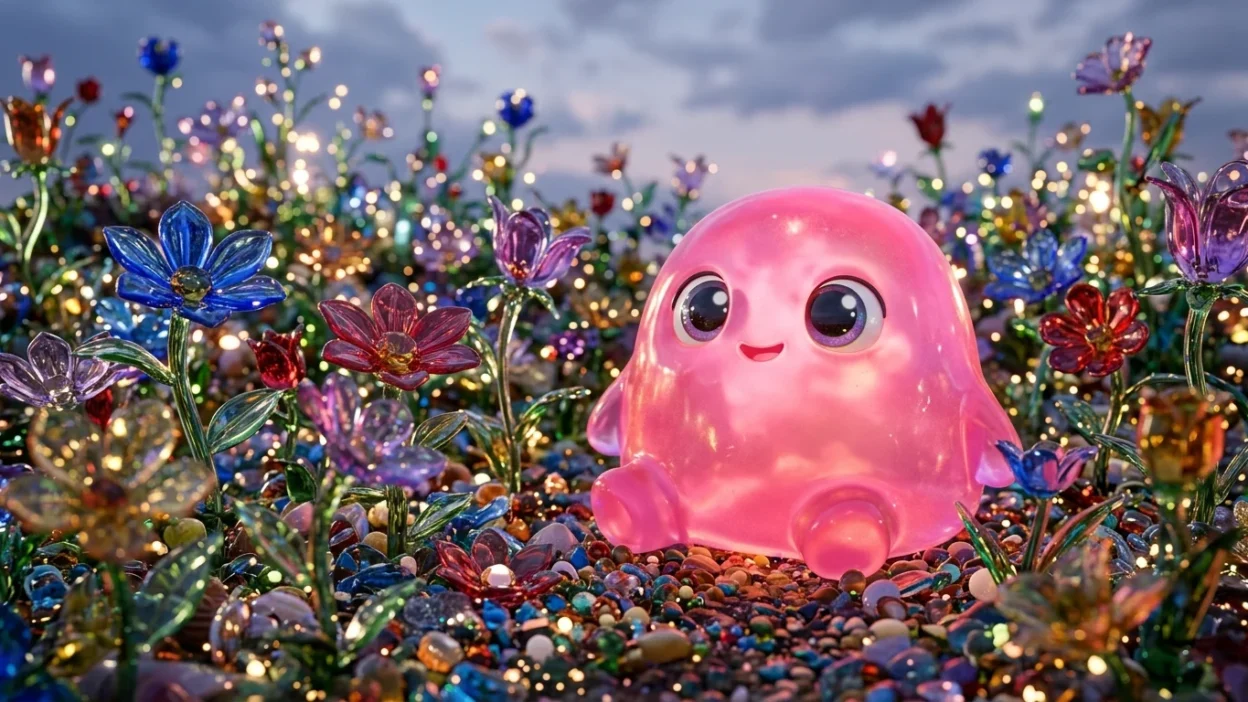
The word squimbo is an unusual slang term, so its meaning can depend heavily on context.
One recorded slang definition uses squimbo as a gender neutral term related to himbo or bimbo, describing someone who behaves in a foolish or irrational way.
(Urban Dictionary) Another modern usage describes squimbo as a playful word for someone or something funny, quirky, awkward, or charmingly unusual. (Synonym Wave)
Because squimbo is informal and not a standard everyday dictionary word, there is no single perfect synonym for it.
The best replacement depends on what you mean: silly, goofy, eccentric, weird, playful, or simply amusing.
This guide focuses on the fun, quirky, silly, and unusual sense of squimbo. It gives students, ESL learners, writers, and content creators 30 alternatives with simple meanings, example sentences, and usage advice.
What Does “Squimbo” Mean?
Simple meaning of squimbo
In playful slang, squimbo can describe a person, character, action, or idea that is silly, quirky, strange, awkward, or amusing in an endearing way.
For example:
My little brother is such a squimbo.
This sentence suggests that the person behaves in a funny, silly, or unusual way.
Because the word is slang, its meaning is flexible. It should generally be treated as informal and playful, rather than as a formal vocabulary word.
Tone and usage context
Squimbo works best in:
- Casual conversations
- Internet slang
- Humorous writing
- Creative writing
- Character descriptions
- Memes and social media
- Playful conversations with friends
It is usually not the best choice for academic essays, business writing, or formal reports.
30 Squimbo Synonyms and Related Words
1. Goofy
Meaning: Silly in a harmless, funny, or lovable way.
Example:
He made a goofy face when the camera turned toward him.
Best usage context: Casual conversations, humor, and friendly descriptions.
2. Quirky
Meaning: Unusual in an interesting, distinctive, or charming way.
Example:
She has a quirky personality that makes her memorable.
Best usage context: Creative writing, personality descriptions, and informal writing.
3. Oddball
Meaning: A person who behaves in an unusual or eccentric way.
Example:
Everyone likes Sam because he is a lovable oddball.
Best usage context: Informal and humorous descriptions of people.
4. Eccentric
Meaning: Unusually different from what most people consider normal.
Example:
The eccentric artist wore colorful clothes every day.
Best usage context: Formal, descriptive, or literary writing.
5. Wacky
Meaning: Very silly, strange, or funny.
Example:
The children came up with a wacky plan for the school play.
Best usage context: Informal and humorous situations.
6. Kooky
Meaning: Strange or unusual in a funny or entertaining way.
Example:
The kooky inventor built a machine from old kitchen equipment.
Best usage context: Playful descriptions and informal storytelling.
7. Zany
Meaning: Extremely silly, energetic, or amusingly unconventional.
Example:
The comedian is famous for his zany performances.
Best usage context: Comedy, entertainment, and humorous writing.
8. Goofball
Meaning: A person who acts silly or foolish in a funny way.
Example:
You’re such a goofball when you’re tired.
Best usage context: Friendly, informal speech.
9. Weird
Meaning: Different from what is normal or expected.
Example:
That was a weird but surprisingly funny story.
Best usage context: Everyday English and casual descriptions.
10. Funky
Meaning: Unusual, distinctive, or unconventional, sometimes in a stylish way.
Example:
The restaurant has a funky interior with bright decorations.
Best usage context: Casual and creative writing.
11. Nutty
Meaning: Silly, eccentric, or slightly crazy in a playful sense.
Example:
My uncle has some pretty nutty ideas.
Best usage context: Informal and humorous descriptions.
12. Peculiar
Meaning: Unusual or strange in a noticeable way.
Example:
There was something peculiar about the old house.
Best usage context: Descriptive and somewhat formal writing.
13. Whimsical
Meaning: Playful, imaginative, and pleasantly unusual.
Example:
The children’s book has a whimsical story about talking animals.
Best usage context: Creative writing, literature, art, and storytelling.
14. Offbeat
Meaning: Different from the usual style or way of doing things.
Example:
She enjoys watching offbeat comedy films.
Best usage context: Entertainment, culture, creative writing, and reviews.
15. Silly
Meaning: Not serious, sensible, or practical, often in a funny way.
Example:
We spent the afternoon making silly jokes.
Best usage context: Everyday English and beginner-friendly writing.
16. Amusing
Meaning: Funny or entertaining.
Example:
The teacher told an amusing story about his first day at school.
Best usage context: General and slightly more polished writing.
17. Clownish
Meaning: Very silly or ridiculous, like a clown.
Example:
His clownish behavior made everyone laugh.
Best usage context: Humorous descriptions, especially of exaggerated behavior.
18. Absurd
Meaning: Extremely unreasonable, ridiculous, or illogical.
Example:
The movie follows an absurd series of unexpected events.
Best usage context: Humor, criticism, creative writing, and formal description.
19. Madcap
Meaning: Wild, energetic, and foolish in an entertaining way.
Example:
The story follows a madcap adventure across the country.
Best usage context: Literary, humorous, and entertainment writing.
20. Laughable
Meaning: So silly or unreasonable that it makes people want to laugh.
Example:
His excuse for being late was completely laughable.
Best usage context: Informal writing, humor, and criticism.
21. Playful
Meaning: Full of fun, energy, and a desire to joke or have fun.
Example:
The puppy had a playful personality.
Best usage context: General descriptions, friendly writing, and positive contexts.
22. Unconventional
Meaning: Different from traditional or usual ways of thinking or behaving.
Example:
The writer used an unconventional approach to tell the story.
Best usage context: Formal, academic, and professional writing.
23. Droll
Meaning: Amusing in a strange, dry, or unusual way.
Example:
His droll sense of humor made the interview memorable.
Best usage context: Literary and sophisticated writing.
24. Comic
Meaning: Funny or intended to make people laugh.
Example:
The character has excellent comic timing.
Best usage context: General writing, entertainment, and literary discussion.
25. Outlandish
Meaning: Extremely unusual, strange, or difficult to believe.
Example:
She arrived wearing an outlandish costume.
Best usage context: Creative writing, humor, and descriptions of unusual behavior.
26. Loony
Meaning: Very silly, strange, or eccentric.
Example:
That sounds like a loony idea, but it might actually work.
Best usage context: Informal and humorous language.
27. Bizarre
Meaning: Very strange or unusual.
Example:
The story took a bizarre turn near the end.
Best usage context: General, descriptive, and creative writing.
28. Jovial
Meaning: Cheerful, friendly, and full of good humor.
Example:
The jovial host kept everyone entertained throughout dinner.
Best usage context: Positive descriptions of cheerful personalities.
29. Absurdist
Meaning: Related to humor or ideas that deliberately use strange, illogical, or ridiculous situations.
Example:
The play uses an absurdist style to explore human behavior.
Best usage context: Literature, theater, film, and cultural criticism.
30. Charming Oddball
Meaning: Someone who is unusual but lovable or appealing.
Example:
The main character is a charming oddball who never follows the rules.
Best usage context: Creative writing, character descriptions, and informal storytelling.
Squimbo Synonyms: Quick Comparison Guide
Different synonyms emphasize different parts of the meaning. Some focus on silliness, while others highlight unusual behavior or charm.
| Word | Main idea | Tone | Best use |
|---|---|---|---|
| Goofy | Lovable silliness | Informal | Everyday conversation |
| Quirky | Charming unusualness | Neutral/Informal | Personality descriptions |
| Oddball | Unusual person | Informal | Character descriptions |
| Eccentric | Unconventional behavior | Formal | Descriptive writing |
| Wacky | Funny strangeness | Informal | Humor |
| Kooky | Amusing weirdness | Informal | Playful writing |
| Zany | Energetic silliness | Informal | Comedy |
| Goofball | Silly person | Informal | Friendly speech |
| Whimsical | Imaginative playfulness | Literary | Creative writing |
| Offbeat | Unconventional style | Neutral | Culture and entertainment |
| Silly | Simple foolishness | Informal | Everyday English |
| Amusing | Something entertaining | Neutral | General writing |
| Peculiar | Noticeable unusualness | Formal | Descriptions |
| Unconventional | Different from normal | Formal | Academic/professional writing |
| Bizarre | Very strange | Neutral | Strong descriptions |
How to Choose the Right Synonym
For friendly and playful situations
Choose goofy, goofball, silly, playful, or wacky when the person or behavior is harmless and funny.
Example:
My cousin is such a goofball.
These words usually sound warm rather than critical.
For quirky personalities
Choose quirky, oddball, kooky, or offbeat when someone is unusual but interesting.
Example:
Her quirky personality makes her perfect for the role.
These words can suggest that being different is actually a positive quality.
For strong or unusual behavior
Choose bizarre, outlandish, absurd, or peculiar when you want to emphasize how unusual something is.
Example:
The story had a bizarre ending.
These words can sound stronger than squimbo.
For formal writing
Choose eccentric, unconventional, peculiar, or absurdist when writing for an academic, literary, or professional audience.
Example:
The novelist created an unconventional protagonist.
These words are generally more appropriate than the slang term squimbo.
For creative writing
Choose whimsical, quirky, offbeat, madcap, or charming oddball when you want to give a character or scene a distinctive personality.
Example:
The novel follows a whimsical inventor and his unusual inventions.
Squimbo vs. Goofy
Which word should you use?
Squimbo is highly informal slang with a flexible meaning.
Goofy is a well-established English word that commonly describes someone or something silly in a harmless way.
If your audience may not know squimbo, goofy is usually the clearer choice.
Squimbo vs. Quirky
What is the difference?
Quirky focuses more on unusual or distinctive qualities.
Squimbo can suggest silliness, awkwardness, or humorous behavior.
For example:
She has a quirky fashion style.
This means her style is unusual and distinctive.
He’s such a squimbo.
This sounds more playful and suggests amusing behavior.
Squimbo vs. Eccentric
Which is more formal?
Eccentric is much more suitable for formal writing.
It describes someone whose behavior, appearance, or ideas are noticeably different from what is considered normal.
Squimbo, by contrast, is slang and works better in casual or humorous settings.
Squimbo vs. Weird
Are they interchangeable?
Sometimes, but not completely.
Weird simply means unusual or strange. It does not necessarily suggest humor.
Squimbo in its playful sense usually has a lighter, more amusing feeling.
Compare:
That is a weird idea.
He’s a funny little squimbo.
The second sentence sounds more affectionate and playful.
Common Mistakes When Using Squimbo Synonyms
Using slang in formal writing
Words such as squimbo, goofball, and loony can sound too casual for an academic essay.
Use alternatives such as unconventional, eccentric, or peculiar when the situation requires a formal tone.
Assuming every synonym has the same meaning
Synonyms are rarely perfect substitutes.
For example, amusing focuses on entertainment, while eccentric focuses on unusual behavior. Whimsical suggests imagination, while bizarre emphasizes extreme strangeness.
Using “weird” when you want a positive meaning
Weird can sound negative depending on context.
If you want to emphasize that someone is unusual in a lovable way, quirky, whimsical, or charming oddball may communicate the idea more clearly.
Using strong words for mild situations
Words such as bizarre and outlandish can make a situation sound much stranger than it really is.
For mild, friendly humor, goofy, silly, or quirky is usually better.
Why Learning Squimbo Synonyms Can Improve Your Vocabulary
Learning alternatives to unusual slang words is useful because it teaches you more than simple word replacement.
You learn how English expresses different levels of humor, strangeness, personality, and emotion.
For ESL learners, this helps with understanding informal conversations and online language.
For students and writers, it helps create more precise descriptions.
For content creators, choosing the right word can make characters, stories, social posts, and entertainment content feel more natural.
Frequently Asked Questions About Squimbo Synonyms
What is the closest synonym for squimbo?
For the playful sense of squimbo, goofy, quirky, silly, and oddball are among the closest choices. The best option depends on the intended meaning.
Is squimbo a real English word?
Squimbo is an informal slang term rather than a standard everyday vocabulary word. Online sources show more than one usage, so its meaning can vary by community and context. (Synonym Wave)
Is squimbo formal or informal?
Squimbo is informal. It is better suited to casual conversations, humor, creative writing, and internet language than academic or professional writing.
What is a polite synonym for squimbo?
If you want a positive and friendly alternative, try quirky, playful, goofy, or eccentric, depending on the context.
What is a synonym for squimbo in formal writing?
For formal writing, consider eccentric, unconventional, peculiar, or whimsical. Choose based on whether you want to emphasize unusual behavior, difference, or imagination.
Can squimbo describe an object?
In playful usage, it can be used creatively for an object, character, idea, or situation that seems strange or amusing. Because the word is slang, this use is flexible rather than strictly defined.
Final Takeaways
Squimbo is an unusual slang term whose meaning can vary, but in playful usage it can describe someone or something that is silly, quirky, strange, awkward, or amusing. Because it is informal, it should be used carefully with the right audience.
The closest alternatives include goofy, quirky, oddball, wacky, kooky, zany, silly, whimsical, eccentric, and offbeat. Each word adds a slightly different shade of meaning.
When choosing a synonym, think about your intended tone first. Use goofy or silly for friendly humor, quirky or offbeat for charming unusualness, eccentric or unconventional for formal writing, and bizarre or outlandish when you want to emphasize extreme strangeness.
The most effective vocabulary choice is not always the most unusual word. It is the word that communicates your exact meaning clearly and naturally.