English has many words that sound alike or look almost identical but have completely different meanings.
“Peal” and “peel” are a good example. If you are learning English, it is easy to confuse them because both words are pronounced the same in most varieties of English.
The good news is that the difference is simple once you connect each word with its meaning. Peal usually refers to a loud, repeated sound, especially the sound of bells, laughter, or thunder.
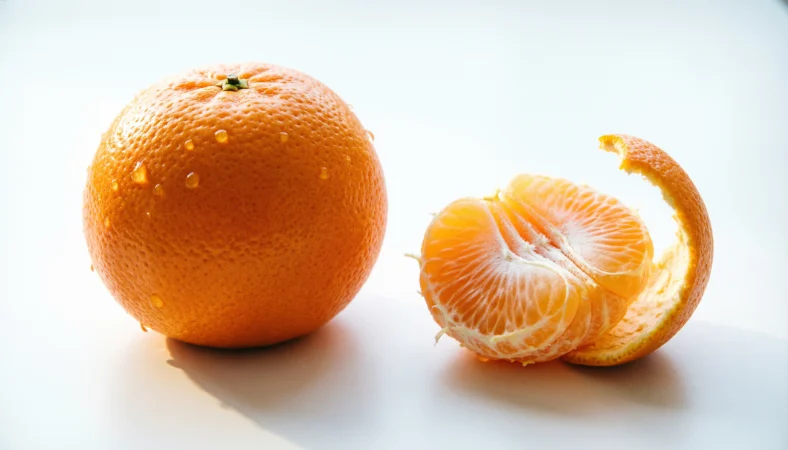
Peel refers to the outer covering of a fruit or vegetable, or to removing that covering. Knowing which meaning you need will help you choose the correct spelling
Quick Answer
Peal means a loud, clear, or repeated sound, such as a peal of bells or laughter. Peel means the outer skin of a fruit or vegetable, or the action of removing it. Both words are usually pronounced /piːl/, but their meanings and spellings are different.
Why Do People Confuse “Peal” and “Peel”?
People often confuse peal and peel because they are homophones. Homophones are words that sound the same but have different spellings and meanings.
For example:
- Peal → a loud or repeated sound
- Peel → the skin of a fruit or vegetable, or to remove it
The different vowels in writing are the main clue:
- peal → think of a sound
- peel → think of removing a covering
What Does “Peal” Mean?
Peal is a noun or verb connected with a loud, clear, or repeated sound.
As a noun, it commonly describes a series of loud sounds:
- a peal of bells
- a peal of laughter
- a peal of thunder
As a verb, peal means to ring loudly or sound repeatedly.
Examples of “Peal”
- The church bells pealed across the village.
- We heard a peal of thunder during the storm.
- Her joke caused a peal of laughter.
- A peal of bells announced the beginning of the ceremony.
- The bells began to peal at noon.
What Does “Peel” Mean?
Peel can be a noun or a verb related to the outer covering of fruits and vegetables.
As a noun, a peel is the outer skin:
- orange peel
- banana peel
- potato peel
- lemon peel
As a verb, peel means to remove the outer covering.
Examples of “Peel”
- Please peel the orange.
- She removed the peel from the potato.
- I like the smell of fresh lemon peel.
- He peeled the banana before eating it.
- You should peel the carrots before cooking them.
Peal vs Peel: Comparison Table
| Word | Meaning | Part of Speech | Example |
|---|---|---|---|
| Peal | A loud, clear, or repeated sound | Noun / Verb | We heard a peal of thunder. |
| Peel | The outer covering of fruit or vegetables | Noun | The orange peel was thick. |
| Peel | To remove an outer covering | Verb | Peel the apple first. |
When Should You Use “Peal” or “Peel”?
Use peal when you are talking about sound.
Think about:
- bells
- thunder
- laughter
- ringing
- loud sounds
Example:
The church bells pealed loudly.
Use peel when you are talking about fruit, vegetables, or removing an outer layer.
Think about:
- apples
- oranges
- bananas
- potatoes
- carrots
Example:
She peeled the apple.
10+ Examples of Peal and Peel
Here are examples that show the difference clearly:
- The bells pealed throughout the morning.
- We heard a loud peal of thunder.
- Her peal of laughter filled the room.
- The church bells gave a joyful peal.
- Peel the potatoes before boiling them.
- He carefully peeled the apple.
- The orange peel smelled fresh.
- Put the banana peel in the compost bin.
- She used lemon peel to flavor the cake.
- The children laughed in a joyful peal of laughter.
- Please peel the carrots before dinner.
- A sudden peal of thunder startled everyone.
Common Mistakes With Peal and Peel
Mistake 1: Using “peel” for a sound
❌ We heard a peel of thunder.
✅ We heard a peal of thunder.
Thunder produces a sound, so peal is correct.
Mistake 2: Using “peal” for fruit skin
❌ Remove the orange peal.
✅ Remove the orange peel.
The outer covering of the orange is a peel.
Mistake 3: Confusing “peal” with “peel” as a verb
❌ She pealed the potato.
✅ She peeled the potato.
When you remove the skin, the verb is peel.
Mistake 4: Forgetting that “peel” can be a noun
Peel does not only mean the action of removing skin. It can also mean the skin itself.
- The peel of the lemon is yellow.
- I peeled the lemon.
What Is an Easy Memory Trick for Peal vs Peel?
Use this simple memory trick:
Peal has “ear” hidden in the idea of it: think SOUND.
Peel has “pee” + “l,” but simply remember: PEEL = skin.
An even easier association is:
🔔 Peal = bells and sounds
🍊 Peel = fruit and skin
If you can associate peal with a bell and peel with an orange, the spelling becomes much easier to remember.
American vs British English
There is no major American-versus-British spelling difference between peal and peel. Both varieties use peal for a loud or repeated sound and peel for the skin of a fruit or vegetable or the act of removing it.
The words are also generally pronounced alike in both American and British English, making them homophones.
What Are Some Similar Words?
Words similar to “peal”
Depending on context, related words include:
- ring
- chime
- clang
- roar
- burst
- ringing sound
For example:
- a peal of bells
- a ringing of bells
- a peal of laughter
Words similar to “peel”
Related words include:
- skin
- rind
- rind-like covering
- remove
- strip
The exact word depends on the food or context. For example, rind is commonly used for the outer covering of certain fruits, cheeses, and other foods, while peel is widely used for fruits and vegetables.
Final Verdict: Peal or Peel?
The correct word depends entirely on what you mean.
- Choose peal when you mean a loud, clear, or repeated sound.
- Choose peel when you mean the outer skin of a fruit or vegetable or the act of removing that skin.
So remember:
Peal = sound 🔔
Peel = skin 🍊
Because they sound alike, the meaning of the sentence is your best guide to the correct spelling.
Frequently Asked Questions
Is it “peal” or “peel” of laughter?
The correct expression is “a peal of laughter.” Here, peal refers to a loud, clear, or repeated sound.
Is it “peal” or “peel” of thunder?
The correct expression is “a peal of thunder.” Thunder is a sound, so peal is the correct spelling.
Is orange “peal” or “peel”?
The correct word is “orange peel.” Peel means the outer skin or covering of an orange.
Are peal and peel pronounced the same?
Yes. In standard English pronunciation, peal and peel are homophones and are generally pronounced /piːl/.
Is “peel” a noun or a verb?
Peel can be both a noun and a verb. As a noun, it means the outer covering of something such as a fruit. As a verb, it means to remove that covering.
Is “peal” a noun or a verb?
Peal can also be both a noun and a verb. As a noun, it can mean a loud or repeated sound. As a verb, it means to ring or sound loudly.
What is the difference between “peal” and “peel”?
Peal is related to sound, while peel is related to an outer covering or removing an outer covering. They sound alike but have different meanings and spellings.
Remember This
PEAL → SOUND → 🔔
PEEL → SKIN → 🍊
If you are talking about bells, thunder, or laughter, use peal. If you are talking about fruit, vegetables, or removing their skin, use peel.
Conclusion
Although peal and peel sound the same, they have completely different meanings. Peal describes a loud or repeated sound, while peel refers to an outer covering or the action of removing it.
This distinction is especially important in common expressions such as “a peal of laughter” and “a peel of an orange.”
The easiest way to remember the difference is to connect each word with a clear image: peal means sound, like a ringing bell, while peel means skin, like the covering of an orange.
Once you make that association, choosing the correct spelling becomes much easier.