
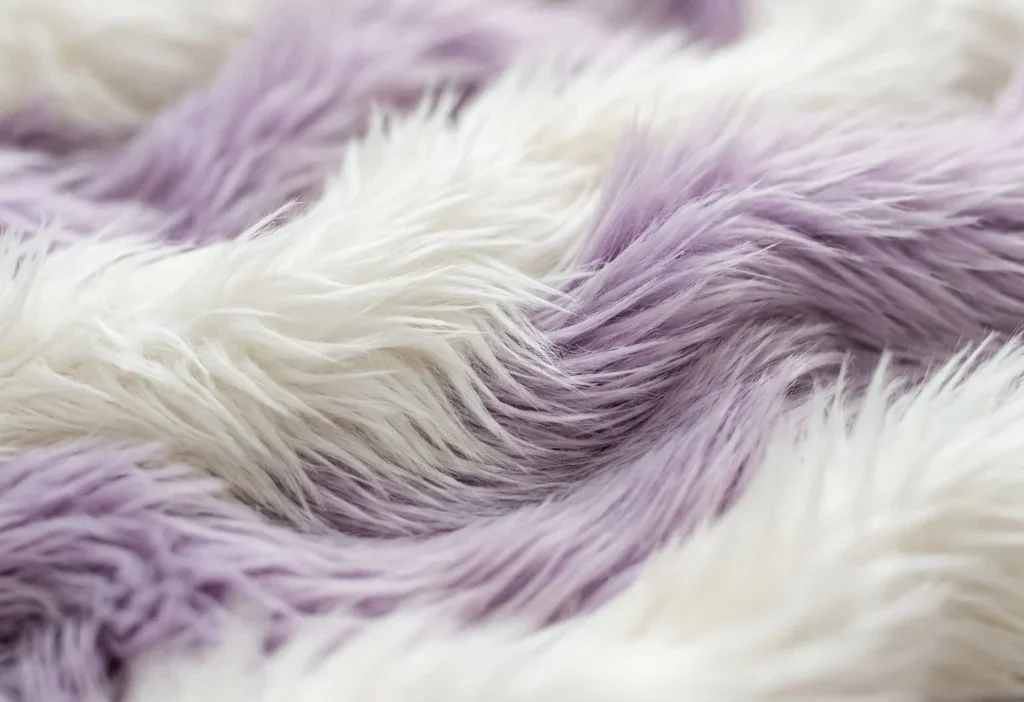
Looking for floof synonyms? Whether you are describing a fluffy pet, soft fur, a cozy blanket, or something irresistibly puffy, there are many words you can use instead of “floof.”
The word floof is informal, playful internet language.
It usually describes something extremely fluffy, soft, furry, or puffy.
You might see it in pet posts, memes, captions, casual conversations, and social media.
Understanding alternatives to “floof” can make your writing more varied and expressive.
Some synonyms sound cute and casual, while others are better for descriptive, creative, or formal writing.
What Does “Floof” Mean?
Simple Definition of Floof
Floof is a playful word used to describe something that is very fluffy, furry, soft, or puffy.
For example:
“Look at that adorable floof!”
Here, “floof” is probably describing a very fluffy dog or cat.
Tone and Usage of Floof
“Floof” has a cute, humorous, affectionate, and informal tone.
It is especially common when talking about:
- Cats
- Dogs
- Rabbits
- Birds
- Fluffy clothing
- Soft blankets
- Hair
- Fur
- Puffy objects
Because “floof” is slang-like and playful, it is usually not appropriate for formal academic or professional writing.
30 Floof Synonyms and Related Words
1. Fluffy
Meaning: Soft and full of loose fibers, fur, feathers, or hair.
Example: “The fluffy puppy looked incredibly cute.”
Best usage context: Everyday descriptions of soft or furry things.
2. Furry
Meaning: Covered with hair or fur.
Example: “The furry cat curled up on the sofa.”
Best usage context: Animals and things covered in noticeable fur.
3. Fuzz
Meaning: Short, soft, fine hair or fibers.
Example: “The peach had a layer of soft fuzz.”
Best usage context: Fine hair on fruit, fabric, animals, or surfaces.
4. Fluff
Meaning: Soft, light material or something that looks soft and puffy.
Example: “The pillow was filled with warm fluff.”
Best usage context: Textiles, feathers, fur, hair, and soft materials.
5. Fluffy Puff
Meaning: A playful phrase for something extremely soft and puffy.
Example: “That kitten is one fluffy puff!”
Best usage context: Cute, humorous descriptions and social media captions.
6. Fuzzy
Meaning: Covered with short, soft hair or having a soft texture.
Example: “The fuzzy blanket kept me warm.”
Best usage context: Clothing, blankets, animals, and soft surfaces.
7. Downy
Meaning: Very soft and covered with fine feathers or hair.
Example: “The bird had soft, downy feathers.”
Best usage context: Feathers, baby animals, and delicate textures.
8. Woolly
Meaning: Thick, soft, and resembling wool.
Example: “The woolly sheep stood in the field.”
Best usage context: Sheep, wool, thick coats, and heavy textures.
9. Plush
Meaning: Very soft, thick, and luxurious.
Example: “The puppy slept on a plush cushion.”
Best usage context: Toys, furniture, fabrics, blankets, and soft surfaces.
10. Soft
Meaning: Pleasant to touch and not hard or rough.
Example: “Her rabbit has incredibly soft fur.”
Best usage context: General descriptions when you want a simple and widely understood word.
11. Flocculent
Meaning: Having a soft, fluffy, or wool-like appearance.
Example: “The flocculent clouds filled the evening sky.”
Best usage context: Descriptive or technical writing.
12. Hairy
Meaning: Covered with a lot of hair.
Example: “The hairy dog needed regular grooming.”
Best usage context: Animals or people with noticeable amounts of hair.
13. Shaggy
Meaning: Having long, untidy, or thick hair or fur.
Example: “A shaggy dog followed them down the road.”
Best usage context: Dogs, hair, beards, and untidy fur.
14. Fleece
Meaning: A soft, thick covering of wool or hair.
Example: “The lamb had a thick fleece.”
Best usage context: Sheep, wool, fabrics, and warm clothing.
15. Down
Meaning: Very fine, soft feathers found beneath the outer feathers of birds.
Example: “The pillow was filled with soft down.”
Best usage context: Birds, bedding, jackets, and insulating materials.
16. Cottony
Meaning: Soft, light, and similar in texture to cotton.
Example: “The clouds looked cottony against the blue sky.”
Best usage context: Clouds, fabrics, textures, and creative descriptions.
17. Puffed
Meaning: Expanded or swollen so that something looks larger and softer.
Example: “The cat sat with its tail puffed up.”
Best usage context: Hair, fur, clothing, food, and objects that become swollen or expanded.
18. Puffy
Meaning: Soft, rounded, and slightly swollen or expanded.
Example: “The fluffy dog had a puffy tail.”
Best usage context: Clouds, clothing, hair, cheeks, tails, and soft objects.
19. Feathery
Meaning: Light, soft, and resembling feathers.
Example: “The plant had delicate, feathery leaves.”
Best usage context: Feathers, plants, hair, textures, and artistic descriptions.
20. Woolly
Meaning: Thick and soft like wool.
Example: “The woolly coat kept the animal warm.”
Best usage context: Animals, clothing, and thick natural fibers.
21. Velvety
Meaning: Extremely smooth and soft like velvet.
Example: “The kitten had velvety fur.”
Best usage context: Fur, skin, fabrics, flowers, and luxurious textures.
22. Cuddly
Meaning: Pleasant to hug, hold, or cuddle.
Example: “The cuddly puppy fell asleep in my arms.”
Best usage context: Pets, stuffed animals, babies, and affectionate descriptions.
23. Snuggly
Meaning: Comfortable, warm, and pleasant to cuddle.
Example: “The kitten looked warm and snuggly.”
Best usage context: Pets, blankets, clothes, and cozy situations.
24. Plushy
Meaning: Soft, padded, and fluffy.
Example: “She bought a plushy toy shaped like a bear.”
Best usage context: Toys, cushions, animals, and casual descriptions.
25. Tufty
Meaning: Having small bunches or tufts of hair, fur, or fibers.
Example: “The little bird had tufty feathers on its head.”
Best usage context: Hair, feathers, grass, fur, and small fluffy areas.
26. Hairy
Meaning: Having a noticeable amount of hair or fur.
Example: “The hairy puppy looked like a tiny bear.”
Best usage context: Animals, people, and informal descriptions.
27. Bushy
Meaning: Thick, full, and spreading outward.
Example: “The fox had a large, bushy tail.”
Best usage context: Tails, eyebrows, hair, and plants.
28. Downy
Meaning: Soft and covered with fine, delicate hairs or feathers.
Example: “The duckling had a beautiful downy coat.”
Best usage context: Baby animals, feathers, and delicate textures.
29. Cosy
Meaning: Warm, comfortable, and pleasant.
Example: “The fluffy blanket made the room feel cosy.”
Best usage context: Blankets, homes, clothing, and comfortable settings.
30. Adorably Fluffy
Meaning: A playful phrase describing something that is both extremely fluffy and cute.
Example: “That little kitten is adorably fluffy!”
Best usage context: Pet captions, social media, casual conversations, and humorous writing.
Floof Synonyms Comparison Guide
| Word | Main Meaning | Tone | Best For |
|---|---|---|---|
| Fluffy | Soft and puffy | Neutral | General descriptions |
| Furry | Covered in fur | Neutral | Animals |
| Fuzz | Fine soft hair | Casual | Fur, fabric, fruit |
| Fluff | Soft material | Casual | Hair, feathers, filling |
| Fuzzy | Soft and slightly hairy | Casual | Pets and fabrics |
| Downy | Very fine and soft | Descriptive | Feathers and animals |
| Woolly | Thick like wool | Neutral | Sheep and clothing |
| Plush | Soft and luxurious | Polished | Toys and fabrics |
| Shaggy | Long and untidy | Descriptive | Hair and fur |
| Puffy | Rounded and expanded | Casual | Clouds, hair, objects |
| Feathery | Light like feathers | Descriptive | Feathers and plants |
| Cuddly | Nice to hug | Affectionate | Pets and toys |
| Snuggly | Cozy and comfortable | Cute | Pets and blankets |
| Bushy | Thick and full | Neutral | Tails, hair, plants |
| Velvety | Smooth and soft | Elegant | Fur, fabric, skin |
How to Choose the Right Floof Synonym
For Cute and Casual Writing
Choose words such as:
- Fluffy
- Floofy
- Fuzzy
- Cuddly
- Snuggly
- Plushy
- Puffy
These work well for pet captions, texts, blogs, memes, and social media posts.
For Describing Animals
The strongest choices include:
- Furry
- Fluffy
- Shaggy
- Woolly
- Downy
- Bushy
- Tufty
Choose the word that describes the animal’s specific type of fur or hair.
For Soft Textures
Use:
- Plush
- Velvety
- Fuzzy
- Downy
- Cottony
- Soft
These words are useful when describing blankets, pillows, fabrics, toys, or other materials.
For Creative Writing
Try:
- Feathery
- Flocculent
- Cottony
- Downy
- Velvety
- Shaggy
These words can create a stronger visual image than simply saying “fluffy.”
For Formal or Descriptive Writing
Avoid using “floof” when the writing needs a professional tone. Instead, choose words such as:
- Fluffy
- Furry
- Downy
- Woolly
- Plush
- Feathery
- Flocculent
The best choice depends on exactly what you are describing.
Floof vs. Fluffy: What’s the Difference?
Floof
“Floof” is playful internet language. It has a humorous and affectionate feeling.
Example: “My dog is such a floof!”
Fluffy
“Fluffy” is a standard English adjective. It is more widely accepted in everyday and formal descriptive writing.
Example: “My dog has fluffy fur.”
In simple terms, floof sounds cuter and more playful, while fluffy sounds more natural and standard.
Floof vs. Furry: What’s the Difference?
Floof
Focuses on the overall cute, fluffy appearance.
Example: “Look at that giant floof!”
Furry
Focuses specifically on something being covered with hair or fur.
Example: “The furry animal ran across the garden.”
“Floof” is more emotional and playful, while “furry” is more descriptive.
Floof vs. Fluff: What’s the Difference?
Floof
Usually refers to a fluffy person, animal, object, or appearance in a playful way.
Fluff
Usually refers to soft material, loose fibers, feathers, or something lightweight and puffy.
For example, a cat can be a floof, while the soft material inside a pillow can be called fluff.
Common Phrases Using Floof Synonyms
Cute Pet Descriptions
- Fluffy little puppy
- Fuzzy kitten
- Cuddly bunny
- Snuggly cat
- Shaggy dog
- Plushy puppy
Social Media Captions
- “Too much floof to handle!”
- “Meet today’s fluffy superstar.”
- “Just a little ball of fluff.”
- “Maximum floof achieved.”
- “Cuteness wrapped in fur.”
Creative Descriptions
Instead of writing:
“A fluffy cloud floated overhead.”
You could write:
“A soft, cottony cloud drifted across the sky.”
This gives your sentence a more vivid and descriptive style.
Why Use Synonyms for Floof?
To Avoid Repetition
Using the same word repeatedly can make writing feel dull. Synonyms help keep your descriptions fresh.
To Show Precise Meaning
“Furry,” “shaggy,” “downy,” and “velvety” do not describe exactly the same texture.
Choosing the right word gives your reader a clearer picture.
To Match Your Tone
“Floof” works beautifully in playful writing, while “flocculent” sounds much more technical or literary.
The right synonym should match the situation.
To Make Writing More Vivid
Instead of simply saying something is fluffy, you can describe its exact appearance, texture, or feeling.
That makes your writing more interesting and memorable.
Tips for ESL Learners
Start With Common Words
If you are learning English, begin with simple words such as fluffy, furry, soft, fuzzy, and puffy.
These are easy to understand and useful in everyday conversations.
Learn Words by Context
Do not memorize synonyms as isolated vocabulary. Learn how they are actually used.
For example, “downy” is a natural choice for feathers, while “bushy” is often better for a tail.
Pay Attention to Tone
Words can have similar meanings but different feelings.
“Cuddly” sounds affectionate, “shaggy” sounds descriptive, and “floof” sounds humorous and internet-friendly.
Final Thoughts on Floof Synonyms
The best floof synonyms depend on what you are describing and the tone you want to create. Fluffy, furry, fuzzy, puffy, plush, downy, shaggy, cuddly, and snuggly are useful choices for different situations.
For casual and playful writing, “floof” itself is perfect when you want to sound cute or humorous. For standard English, “fluffy” is usually the easiest replacement.
If you want greater precision, choose a word that describes the specific texture or appearance. Use downy for fine feathers, bushy for thick hair or tails, shaggy for long untidy fur, and velvety for an especially smooth texture.
Learning these small differences can make your vocabulary stronger, your descriptions clearer, and your writing much more expressive.

Liam Henry is a content author at Synonymed, specializing in vocabulary enrichment and synonym guides. He creates clear, engaging resources that help learners improve English word knowledge and language fluency.